Répertoire des Réalisateurs
7,762 réalisateurs · page 1 / 162
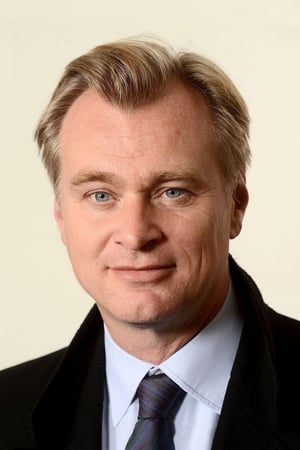
Christopher Nolan
Christopher Edward Nolan, CBE (born 30 July 1970) is a British-American film director, screenwriter, and producer. He was born in Westminster, London, England and holds both British and American citizenship due to his American mother. He is known for writing and directing critically acclaimed films such as Memento (2000), The Prestige (2006), The Dark Knight Trilogy (2005-12), Inception (2010), Interstellar (2014) and Dunkirk (2017). Nolan is the founder of the production company Syncopy Films. He often collaborates with his wife, producer Emma Thomas, and his brother, screenwriter Jonathan Nolan.
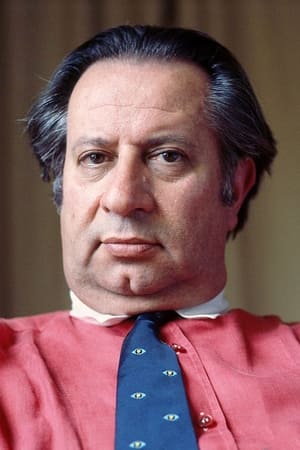
Tinto Brass
Giovanni "Tinto" Brass (born 26 March 1933) is an Italian film director and screenwriter. In the 1960s and 1970s, he directed many critically acclaimed avant-garde films of various genres. Today, he is mainly known for his later work in the erotic genre, with films such as Caligula, Così fan tutte (released under the English title All Ladies Do It), Paprika, Monella (Frivolous Lola) and Trasgredire. After Salon Kitty (1976) and Caligula (1979), the style of his films gradually changed towards erotic films. Caligula was originally supposed to be a satire on power instead of an erotic film, but the producers changed and re-edited the film entirely without Brass's consent, removing many political and comical scenes, and shooting sexually explicit sequences, to make the film a pornographic drama. The director demanded that his name be stricken from the credits, and he is only credited for "Principal Photography". Despite this, the film remains his most widely viewed work (and the highest-grossing Italian film released in the United States). Other notable works of Brass's later period include The Key (1983) and Senso '45 (2002). He was making films into his seventies.
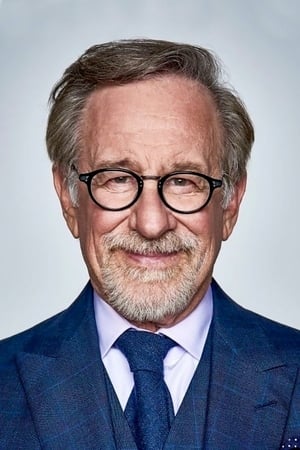
Steven Spielberg
Steven Allan Spielberg (born December 18, 1946) is an American film director, writer and producer. A major figure of the New Hollywood era and pioneer of the modern blockbuster, he is the most commercially successful director of all time. Spielberg is the recipient of various accolades, including three Academy Awards, a Kennedy Center honor, four Directors Guild of America Awards, two BAFTA Awards, a Cecil B. DeMille Award and an AFI Life Achievement Award. Seven of his films have been inducted into the National Film Registry by the Library of Congress as "culturally, historically or aesthetically significant". Spielberg was born in Cincinnati, Ohio, and grew up in Phoenix, Arizona. He moved to California and studied film in college. After directing several episodes for television including Night Gallery and Columbo, he directed the television film Duel (1971) which gained acclaim from critics and audiences. He made his directorial film debut with The Sugarland Express (1974), and became a household name with the 1975 summer blockbuster Jaws. He then directed huge box office successes Close Encounters of the Third Kind (1977), E.T. the Extra-Terrestrial (1982) and the Indiana Jones original trilogy (1981-89). Spielberg subsequently explored drama in the acclaimed The Color Purple (1985) and Empire of the Sun (1987). After a brief hiatus, Spielberg directed the science fiction thriller Jurassic Park (1993), the highest-grossing film ever at the time, and the Holocaust drama Schindler's List (1993), which has often been listed as one of the greatest films ever made. He won the Academy Award for Best Director for the latter and for the 1998 World War II epic Saving Private Ryan. Spielberg continued in the 2000s with science fiction films A.I. Artificial Intelligence (2001), Minority Report (2002) and War of the Worlds (2005). He also directed the adventure films The Adventures of Tintin (2011) and Ready Player One (2018); the historical dramas Amistad (1997), Munich (2005), War Horse (2011), Lincoln (2012), Bridge of Spies (2015) and The Post (2017); the musical West Side Story (2021); and the semi-autobiographical drama The Fabelmans (2022). He has been a producer on several successful films, including Poltergeist (1982), Gremlins (1984), Back to the Future (1985) and Who Framed Roger Rabbit (1988) as well as the miniseries Band of Brothers (2001). Spielberg co-founded Amblin Entertainment and DreamWorks, and has served as a producer for many successful films and television series. He is also known for his long collaboration with the composer John Williams, with whom he has worked for all but five of his feature films. Several of Spielberg's works are among the highest-grossing and greatest films all time. Premiere ranked him first place in the list of 100 Most Powerful People in Movies in 2003. In 2013, Time listed him as one of the 100 most influential people.
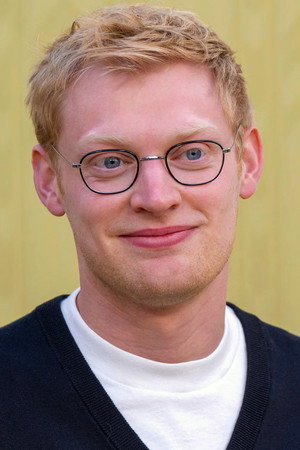
Curry Barker
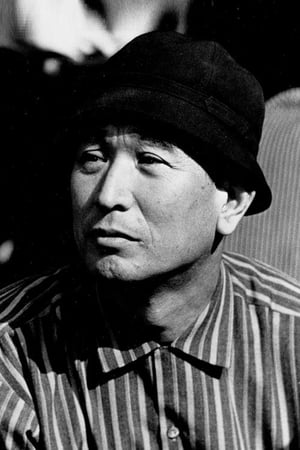
Akira Kurosawa
Akira Kurosawa (黒澤 明) was a Japanese filmmaker and painter who directed thirty films in a career spanning over five decades. He is widely regarded as one of the greatest and most influential filmmakers in the history of cinema. He displayed a bold, dynamic style, strongly influenced by Western cinema yet distinct from it; he was involved with all aspects of film production. Kurosawa entered the Japanese film industry in 1936, following a brief stint as a painter. After years of working on numerous films as an assistant director and scriptwriter, he made his debut as a director during World War II with the popular action film Sanshiro Sugata (1943). After the war, the critically acclaimed Drunken Angel (1948), in which Kurosawa cast the then little-known actor Toshiro Mifune in a starring role, cemented the director's reputation as one of the most important young filmmakers in Japan. The two men would go on to collaborate on another fifteen films. Rashomon (1950), which premiered in Tokyo, became the surprise winner of the Golden Lion at the 1951 Venice Film Festival. The commercial and critical success of that film opened up Western film markets for the first time to the products of the Japanese film industry, which in turn led to international recognition for other Japanese filmmakers. Kurosawa directed approximately one film per year throughout the 1950s and early 1960s, including a number of highly regarded (and often adapted) films, such as Ikiru (1952), Seven Samurai (1954), Throne of Blood (1957), Yojimbo (1961) and High and Low (1963). After the 1960s he became much less prolific; even so, his later work—including two of his final films, Kagemusha (1980) and Ran (1985)—continued to receive great acclaim. In 1990, he accepted the Academy Award for Lifetime Achievement. Posthumously, he was named Asian of the Century in the Arts, Literature, and Culture category by AsianWeek magazine and CNN, cited there as being among the five people who most prominently contributed to the improvement of Asia in the 20th century. His career has been honored by many retrospectives, critical studies and biographies in both print and video, and by releases in many consumer media.
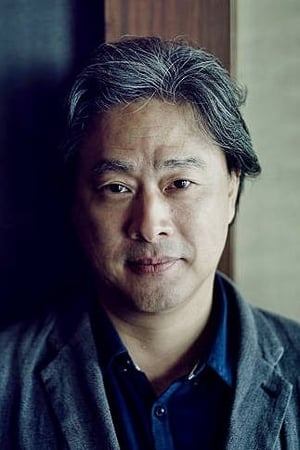
Park Chan-wook
Park Chan-wook (born August 23, 1963) is a South Korean film director, screenwriter, producer, and former film critic. He is considered one of the most prominent filmmakers of South Korean cinema as well as world cinema in 21st century. His films have gained notoriety for their cinematography and framing, black humor and often brutal subject matter. Description above from the Wikipedia article Park Chan-wook, licensed under CC-BY-SA, full list of contributors on Wikipedia.
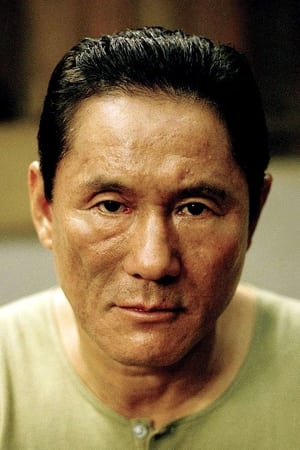
Takeshi Kitano
Takeshi Kitano (北野 武, Kitano Takeshi, born January 18, 1947), also known in Japan as Beat Takeshi (ビートたけし, Bīto Takeshi), is a Japanese comedian, actor, and filmmaker. While he is known primarily as a comedian and TV host in his native Japan, he is better known abroad for his work as a filmmaker and actor as well as TV host. Kitano rose to prominence in the 1970s as one half of the comedy duo Two Beat, before going solo and becoming one of the three biggest comedians in the country. After several small acting roles, he made his directorial debut with 1989's Violent Cop and garnered international acclaim for Sonatine (1993). He was not widely accepted as an accomplished director in Japan until Hana-bi won the Golden Lion in 1997. In October 2017, Kitano completed his Outrage crime trilogy with the release of Outrage Coda. He is also known internationally for hosting the game show Takeshi's Castle (1986–1990) and starring in the film Battle Royale (2000).
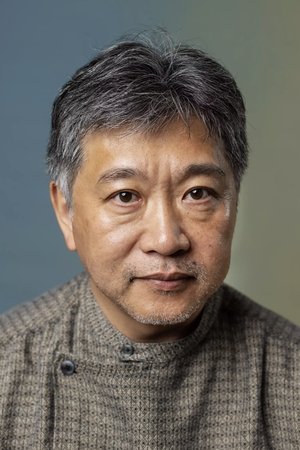
Hirokazu Kore-eda
Hirokazu Kore-eda (born 6 June 1962) is a Japanese film director, producer, screenwriter, and editor. He began his career in television and has since directed more than a dozen feature films, including Nobody Knows (2004), Still Walking (2008), and After the Storm (2016). He won the Jury Prize at the 2013 Cannes Film Festival for Like Father, Like Son and won the Palme d'Or at the 2018 Cannes Film Festival for Shoplifters. Description above from the Wikipedia article Hirokazu Kore-eda, licensed under CC-BY-SA, full list of contributors on Wikipedia.
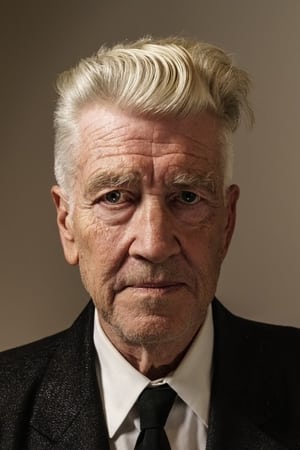
David Lynch
David Keith Lynch (born January 20, 1946) is an American filmmaker, painter, visual artist, musician, actor, and writer. Known for his surrealist films, he has developed his own unique cinematic style, which has been dubbed "Lynchian", and which is characterized by its dream imagery and meticulous sound design. Indeed, the surreal and in many cases violent elements to his films have earned them the reputation that they "disturb, offend or mystify" their audiences. Moving around various parts of the United States as a child within his middle class family, Lynch went on to study painting in Philadelphia, where he first made the transition to producing short films. Deciding to devote himself more fully to this medium, he moved to Los Angeles, where he produced his first motion picture, the surrealist horror Eraserhead (1977). After Eraserhead became a cult classic on the midnight movie circuit, Lynch was employed to direct The Elephant Man (1980), from which he gained mainstream success. Then being employed by the De Laurentiis Entertainment Group, he proceeded to make two films. First, the science-fiction epic Dune (1984), which proved to be a critical and commercial failure, and then a neo-noir crime film, Blue Velvet (1986), which was highly critically acclaimed. Proceeding to create his own television series with Mark Frost, the highly popular murder mystery Twin Peaks (1990–1992), he also created a cinematic prequel, Fire Walk With Me (1992), a road movie, Wild at Heart (1990), and a family film, The Straight Story (1999) in the same period. Turning further towards surrealist filmmaking, three of his following films worked on "dream logic" non-linear narrative structures, Lost Highway (1997), Mulholland Drive (2001) and Inland Empire (2006). Lynch has received three Academy Award nominations for Best Director, for his films The Elephant Man, Blue Velvet and Mulholland Drive, and also received a screenplay Academy Award nomination for The Elephant Man. Lynch has twice won France's César Award for Best Foreign Film, as well as the Palme d'Or at the Cannes Film Festival and a Golden Lion award for lifetime achievement at the Venice Film Festival. The French government awarded him the Legion of Honor, the country's top civilian honor, as a Chevalier in 2002 and then an Officier in 2007, while that same year, The Guardian described Lynch as "the most important director of this era". Allmovie called him "the Renaissance man of modern American filmmaking", whilst the success of his films have led to him being labelled "the first popular Surrealist".
Thea Sharrock
Thea Sharrock is a theatre director and made her feature film debut with "Me Before You."
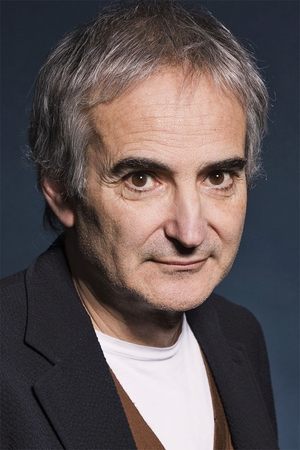
Olivier Assayas
Olivier Assayas (born January 25, 1955) is a French film director and screenwriter. He made his debut in 1986, after directing some short films and writing for the influential film magazine Cahiers du cinéma. Description above from the Wikipedia article Olivier Assayas, licensed under CC-BY-SA, full list of contributors on Wikipedia.
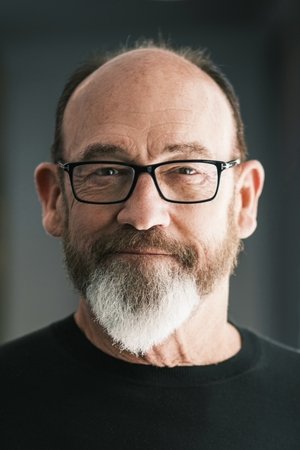
Chuck Russell
Charles "Chuck" Russell (born May 9, 1958) is an American film director, producer and screenwriter. He is best known for his work in the 1980s and '90s, including "A Nightmare on Elm Street 3: Dream Warriors" (1987) and "The Mask" (1994).
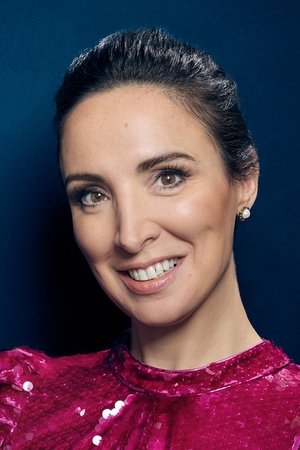
Mary Bronstein
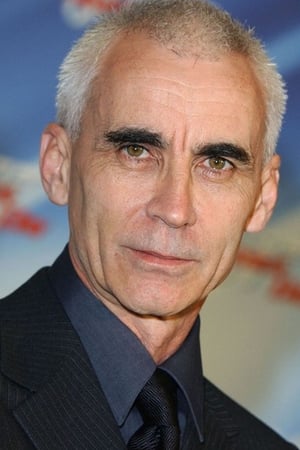
Lee Tamahori
Warren Lee Tamahori (born 17 June 1950) is a New Zealand filmmaker. Description above from the Wikipedia article Lee Tamahori, licensed under CC-BY-SA, full list of contributors on Wikipedia.
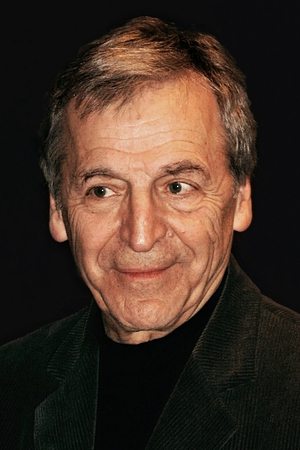
Costa-Gavras
Konstantinos Gavras (born 12 February 1933), known professionally as Costa-Gavras, is a Greek filmmaker, who lives and works in France. He is best known for directing films with overt political themes, most famously the fast-paced thriller “Z” (1969). Most of his movies were made in French, though starting with “Missing” (1982), several were made in English.
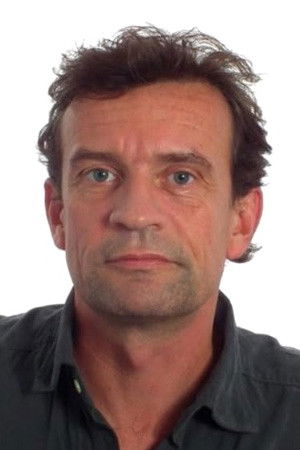
Jérôme Fritel
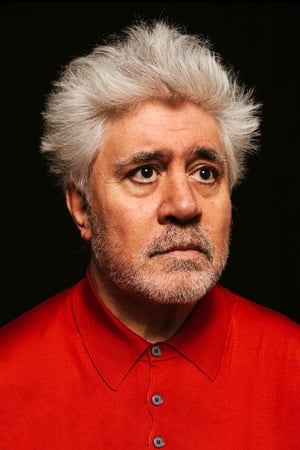
Pedro Almodóvar
Pedro Almodóvar Caballero (born 25 September 1949) is a Spanish film director, screenwriter and producer. Almodóvar is arguably the most successful and internationally known Spanish filmmaker of his generation. His films, marked by complex narratives, employ the codes of melodrama and use elements of pop culture, popular songs, irreverent humor, strong colors, glossy décor and LGBT themes. Desire, passion, family and identity are among Almodóvar’s most prevalent themes. His films enjoy a worldwide following and he has become a major figure on the stage of world cinema. He founded Spanish film production company El Deseo S.A. with his younger brother Agustín Almodóvar who has produced almost all of Pedro’s films. He was elected a Foreign Honorary Member of the American Academy of Arts and Sciences in 2001.

David Fincher
David Andrew Leo Fincher (born August 28, 1962) is an American film director. His films, mostly thrillers, have received 40 nominations at the Academy Awards, including three for him as Best Director. Born in Denver, Colorado, Fincher was interested in filmmaking at an early age. He directed numerous music videos, most notably Madonna's "Express Yourself" in 1989 and "Vogue" in 1990, both of which won him the MTV Video Music Award for Best Direction. He made his feature film debut with Alien 3 (1992), which garnered mixed reviews, followed by the thriller Seven (1995), which was better received. Fincher found lukewarm success with The Game (1997) and Fight Club (1999), but the latter eventually became a cult classic. In 2002, he returned to prominence with the thriller Panic Room starring Jodie Foster. Fincher also directed Zodiac (2007), The Social Network (2010), The Girl with the Dragon Tattoo (2011), and Mank (2020). For The Social Network, he won the Golden Globe Award for Best Director and BAFTA Award for Best Direction. His biggest commercial successes are The Curious Case of Benjamin Button (2008) and Gone Girl (2014), both of which grossed more than $300 million worldwide, with the former earning thirteen nominations at the Academy Awards, and eleven at the British Academy Film Awards. He also served as an executive producer and director for the Netflix series House of Cards (2013–2018) and Mindhunter (2017–2019), winning the Primetime Emmy Award for Outstanding Directing for a Drama Series for the pilot episode of House of Cards. Fincher was the co-founder of Propaganda Films, a film, and music.
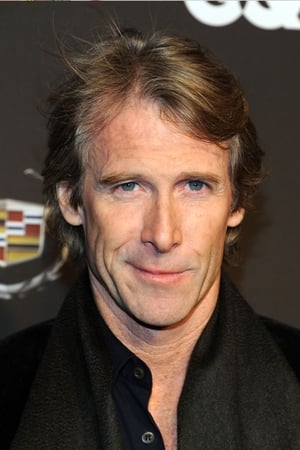
Michael Bay
Michael Benjamin Bay (born February 17, 1965 in Los Angeles, California, USA) is a film director and producer. He is best known for directing high-budget action films characterized by fast edits, polished visuals and substantial use of practical effects. His films, which include "The Rock" (1996), "Armageddon" (1998), "Pearl Harbor" (2001) and entries in the "Bad Boys" (1995-2003) and "Transformers" (2007-2017) series, have grossed over three billion dollars worldwide. He is co-founder of commercial production house The Institute, a.k.a. The Institute for the Development of Enhanced Perceptual Awareness; he is co-chair and part-owner of the special effects house Digital Domain; and he co-owns Platinum Dunes, a production company which has remade horror movies including "The Texas Chainsaw Massacre" (2003), "Friday the 13th" (2009) and "A Nightmare on Elm Street" (2010).
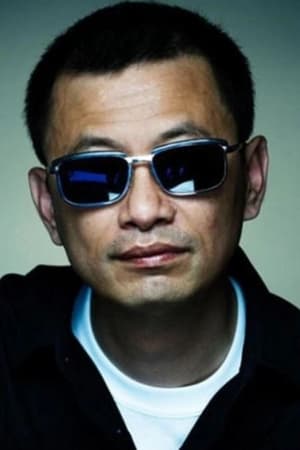
Wong Kar-wai
Wong Kar-wai is a Hong Kong Second Wave filmmaker, internationally renowned as an auteur for his visually unique, highly stylized films. Wong's films frequently feature protagonists who yearn for romance in the midst of a knowingly brief life and scenes that can often be described as sketchy, digressive, exhilarating, and containing vivid imagery.
Cynthia Hill
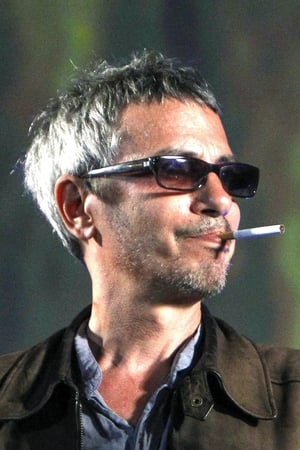
Leos Carax
Leos Carax (born November 22, 1960) is a French-born film director, critic, and writer. Carax is noted for his poetic style and his tortured depictions of love. His first major work was Boy Meets Girl (1984), and his notable works include Lovers on the Bridge (1991) and the controversial Pola X (1999). His professional name is an anagram of his first and middle names.

Hamed Mobasser
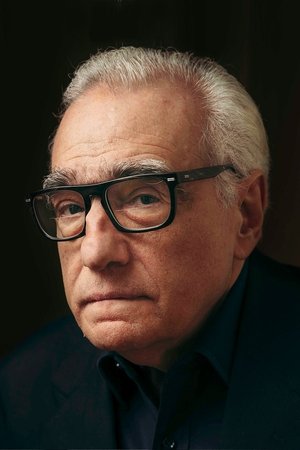
Martin Scorsese
Martin Charles Scorsese (born November 17, 1942) is an American film director, producer, screenwriter, and actor. One of the major figures of the New Hollywood era, he is widely regarded as one of the greatest and most influential directors in film history. Scorsese's body of work explores themes such as Italian-American identity, Catholic concepts of guilt and redemption, faith, machismo, nihilism, crime and sectarianism. Many of his films are known for their depiction of violence and the liberal use of profanity. Scorsese has also dedicated his life to film preservation and film restoration by founding the nonprofit organization The Film Foundation in 1990, as well as the World Cinema Foundation in 2007 and the African Film Heritage Project in 2017. Scorsese studied at New York University (NYU), where he received a bachelor's degree in English literature in 1964, and received a master's degree in fine arts in film from NYU's Tisch School of the Arts in 1968. In 1967 Scorsese's first feature film Who's That Knocking at My Door was released and was accepted into the Chicago Film Festival, where critic Roger Ebert saw it and called it "a marvelous evocation of American city life, announcing the arrival of an important new director". He has established a filmmaking history involving repeat collaborations with actors and film technicians, including nine films made with Robert De Niro. His films with De Niro are the psychological thriller Taxi Driver (1976), the biographical sports drama Raging Bull (1980), the satirical black comedy The King of Comedy (1982), the musical drama New York, New York (1977), the psychological thriller Cape Fear (1991), and the crime films Mean Streets (1973), Goodfellas (1990), Casino (1995) and The Irishman (2019). Scorsese has also been noted for his collaborations with actor Leonardo DiCaprio, having directed him in five films: the historical epic Gangs of New York (2002), the Howard Hughes biography The Aviator (2004), the crime thriller The Departed (2006), the psychological thriller Shutter Island (2010), and the Wall Street black comedy The Wolf of Wall Street (2013). The Departed won Scorsese an Academy Award for Best Director, and for Best Picture. Scorsese is also known for his long-time collaboration with film editor Thelma Schoonmaker, who has edited every Scorsese film beginning with Raging Bull. Scorsese's other film work includes the black comedy After Hours (1985), the romantic drama The Age of Innocence (1993), the children's adventure drama Hugo (2011), and the religious epics The Last Temptation of Christ (1988), Kundun (1997) and Silence (2016).
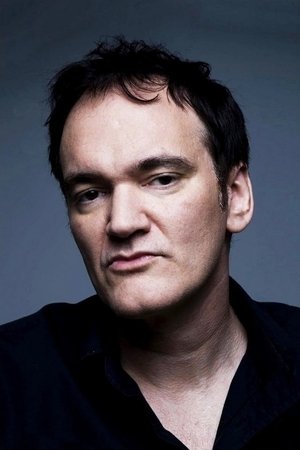
Quentin Tarantino
Quentin Jerome Tarantino (born March 27, 1963) is an American film director, screenwriter, producer, cinematographer and actor. In the early 1990s he was an independent filmmaker whose films used nonlinear storylines and aestheticization of violence. His films have earned him a variety of Academy Award, Golden Globe, BAFTA and Palme d'Or Awards and he has been nominated for Emmy and Grammy Awards. In 2007, Total Film named him the 12th-greatest director of all time. Tarantino was born in Knoxville, Tennessee, the son of Connie McHugh Tarantino Zastoupil, a health care executive and nurse born in Knoxville, and Tony Tarantino, an actor and amateur musician born in Queens, New York. Tarantino's mother allowed him to quit school at age 17, to attend an acting class full time. Tarantino gave up acting while attending the acting school, saying that he admired directors more than actors. Tarantino also worked in a video rental store before becoming a filmmaker, paid close attention to the types of films people liked to rent, and has cited that experience as inspiration for his directorial career. Description above from the Wikipedia article Quentin Tarantino, licensed under CC-BY-SA, full list of contributors on Wikipedia.
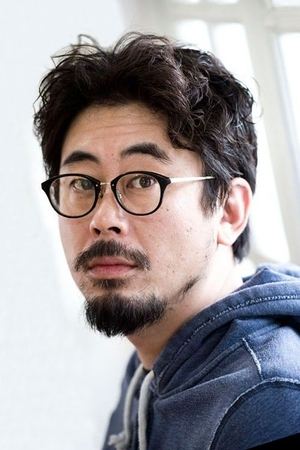
Na Hong-jin
Na Hong-jin (born 1974) is a South Korean film director and screenwriter. For his debut film The Chaser (2008), Na won Best Director at the 45th Grand Bell Awards in 2008. The film also won the award for Best Film. His follow up film, The Yellow Sea, was released in South Korea on December 15, 2010. It is scheduled to be screened in the Un Certain Regard section at the 2011 Cannes Film Festival. Description above from the Wikipedia article Na Hong-jin, licensed under CC-BY-SA, full list of contributors on Wikipedia
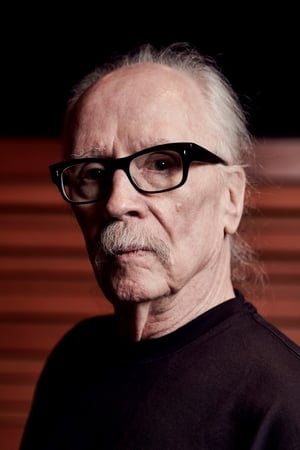
John Carpenter
An American film director, screenwriter, producer, editor, composer, and occasional actor. Although Carpenter has worked in numerous film genres in his four-decade career, his name is most commonly associated with horror and science fiction. Most films in Carpenter's career were initially commercial and critical failures, with the notable exceptions of Halloween (1978), The Fog (1980), Escape from New York (1981), and Starman (1984). However, many of Carpenter's films from the 1970s and the 1980s have come to be viewed as cult classics, and he has been acknowledged as an influential filmmaker. Cult classics that Carpenter directed include: Dark Star (1974), Assault on Precinct 13 (1976), The Thing (1982), Christine (1983), Big Trouble in Little China (1986), Prince of Darkness (1987), They Live (1988) and In the Mouth of Madness (1995). His films are characterized by minimalist lighting and photography, static cameras, use of steadicam, and distinctive synthesized scores. Carpenter is also notable for having composed or co-composed most of the music of his films; some of them are now considered cult as well, with the main theme of Halloween being considered a part of popular culture. His music is generally synthesized with accompaniment from piano and atmospherics. He released his first studio album Lost Themes in 2015, and also won a Saturn Award for Best Music for Vampires (1998). Carpenter is an outspoken proponent of widescreen filming, and all of his theatrical movies (with the exception of Dark Star and The Ward) were filmed anamorphic with a 2.35:1 or greater aspect ratio. The Ward was shot in Super 35, the first time Carpenter has ever used that system. Carpenter has stated he feels that the 35mm Panavision anamorphic format is "the best movie system there is", preferring it over both digital and 3D film. Many of Carpenter's films have been re-released on DVD as special editions with numerous bonus features. Carpenter has been the subject of the documentary film John Carpenter: The Man and His Movies, and American Cinematheque's 2002 retrospective of his films. Moreover, in 2006, the United States Library of Congress deemed Halloween to be "culturally significant" and selected it for preservation in the National Film Registry. In 2010, writer and actor Mark Gatiss interviewed Carpenter about his career and films for his BBC documentary series A History of Horror. Carpenter appears in all three episodes of the series. He was also interviewed by Robert Rodriguez for his The Director's Chair series on El Rey Network. Many filmmakers have been influenced by Carpenter, including James Cameron, Quentin Tarantino (The Hateful Eight was heavily influenced by The Thing), Guillermo del Toro, Robert Rodriguez, Edgar Wright, Danny Boyle, Nicolas Winding Refn, Bong Joon-ho, among others. The video game Dead Space 3 is said to be influenced by Carpenter's The Thing, The Fog and Halloween, and Carpenter has stated that he would be enthusiastic to adapt that series into a feature film.
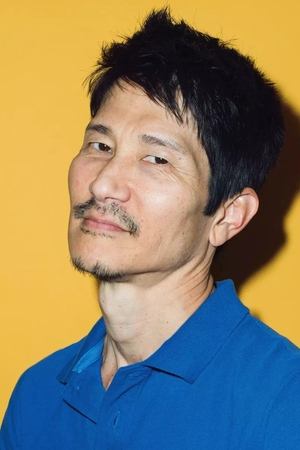
Gregg Araki
Gregg Araki (born December 17, 1959) is an American filmmaker. He is noted for his heavy involvement with the New Queer Cinema movement. Description above from the Wikipedia article Gregg Araki, licensed under CC-BY-SA, full list of contributors on Wikipedia.
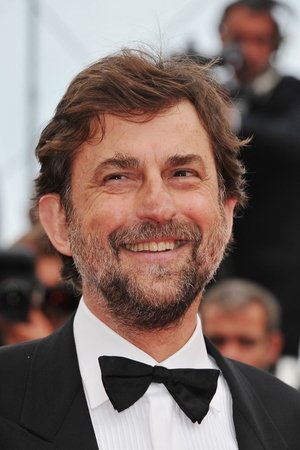
Nanni Moretti
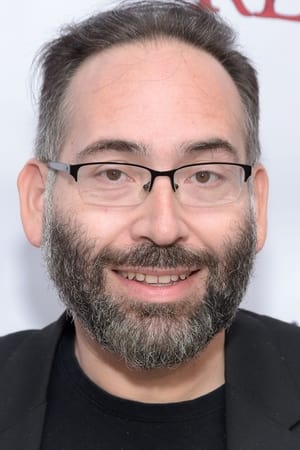
Mike Mendez
A native to Los Angeles, Mike Mendez was in the backyard making movies since the age of 10. At the age of 23, Mike made his first feature film "Killers," which was accepted into the Sundance Film Festival in 1997. The film was picked up by Alpine Pictures, who distributed the feature in the U.S. The film also received a worldwide theatrical release. He followed that up with the horror comedy "The Convent," which was also accepted into the Sundance Film Festival in 2000, as well as over 30 other film festivals worldwide. The film was released by Lionsgate in the U.S. In 2002, he produced a documentary for Universal Television and Showtime entitled "Masters of Horror," featuring interviews with some of the genre's most legendary filmmakers. In 2006, Mike's film "The Gravedancers" premiered at the Tribeca Film Festival and was released in theaters nationally by Lionsgate & After Dark Films as part of "8 Films To Die For". Along with producing short films for X-box and working on the television series "Beavis & Butthead", Mike's newest film is "Big Ass Spider!" for Epic Pictures, which premiered at the 2013 SXSW Film Festival. Starring "Heroes" alumni Greg Grunberg, it had a limited theatrical worldwide.
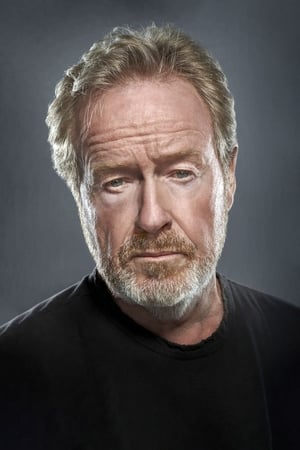
Ridley Scott
Sir Ridley Scott (born November 30, 1937) is an English filmmaker. He was raised in an Army family, meaning that for most of his early life, his father — an officer in the Royal Engineers — was absent. Ridley's older brother, Frank, joined the Merchant Navy when he was still young and the pair had little contact. During this time the family moved around, living in (among other areas) Cumbria, Wales and Germany. He has a younger brother, Tony, also a film director. After the Second World War, the Scott family moved back to their native north-east England, eventually settling in Teesside (whose industrial landscape would later inspire similar scenes in Blade Runner). He enjoyed watching films, and his favourites include Lawrence of Arabia, Citizen Kane and Seven Samurai. Scott studied in Teesside from 1954 to 1958, at Grangefield Grammar School and later in West Hartlepool College of Art, graduating with a Diploma in Design. He progressed to an M.A. in graphic design at the Royal College of Art from 1960 to 1962. At the RCA he contributed to the college magazine, ARK and helped to establish its film department. For his final show, he made a black and white short film, Boy and Bicycle, starring his younger brother, Tony Scott, and his father. The film's main visual elements would become features of Scott's later work; it was issued on the 'Extras' section of The Duellists DVD. After graduation in 1963, he secured a job as a trainee set designer with the BBC, leading to work on the popular television police series Z-Cars and the science fiction series Out of the Unknown. Scott was an admirer of Stanley Kubrick early in his development as a director. For his entry to the BBC traineeship, Scott remade Paths of Glory as a short film. He was assigned to design the second Doctor Who serial, The Daleks, which would have entailed realising the famous alien creatures. However, shortly before Scott was due to start work, a schedule conflict meant that he was replaced on the serial by Raymond Cusick. At the BBC, Scott was placed into a director training programme and, before he left the corporation, had directed episodes of Z-Cars, its spin-off, Softly, Softly, and adventure series Adam Adamant Lives! In 1968, Ridley and Tony Scott founded Ridley Scott Associates (RSA), a film and commercial production company.Five members of the Scott family are directors, all working for RSA. Brother Tony has been a successful film director for more than two decades; sons, Jake and Luke are both acclaimed commercials directors as is his daughter, Jordan Scott. Jake and Jordan both work from Los Angeles and Luke is based in London. In 1995, Shepperton Studios was purchased by a consortium headed by Ridley and Tony Scott, which extensively renovated the studios while also expanding and improving its grounds.
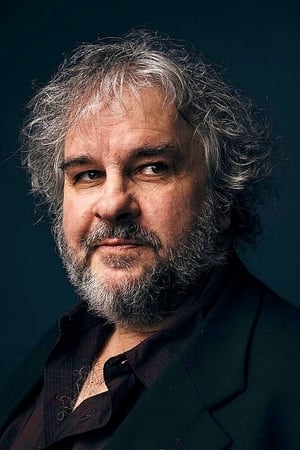
Peter Jackson
Sir Peter Robert Jackson, (born 31 October 1961) is a New Zealand film director, producer, actor, and screenwriter, known for his Lord of the Rings film trilogy, adapted from the novel by J. R. R. Tolkien. He is also known for his 2005 remake of King Kong and as the producer of District 9. He won international attention early in his career with his "splatstick" horror comedies, before coming to mainstream prominence with Heavenly Creatures, for which he shared an Academy Award Best Screenplay nomination with his wife, Fran Walsh. Jackson has been awarded three Academy Awards in his career, including the award for Best Director in 2003. Description above from the Wikipedia article Peter Jackson, licensed under CC-BY-SA, full list of contributors on Wikipedia
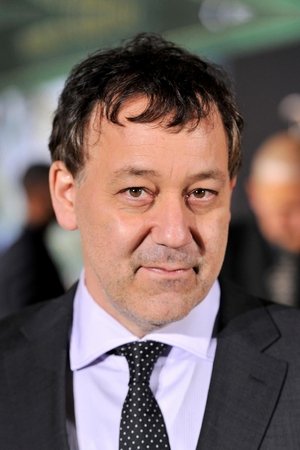
Sam Raimi
Samuel M. Raimi (/ˈreɪmi/ RAY-mee; born October 23, 1959) is an American film director, screenwriter, and producer. He is best known for directing the first three films in the Evil Dead franchise (1981–present) and the Spider-Man trilogy (2002–2007). He also directed the superhero movie Darkman (1990), the revisionist western The Quick and the Dead (1995), the neo-noir crime thriller A Simple Plan (1998), the supernatural thriller The Gift (2000), the supernatural horror Drag Me to Hell (2009), the Disney fantasy Oz the Great and Powerful (2013), and the Marvel Studios film Doctor Strange in the Multiverse of Madness (2022). His films are known for their highly dynamic visual style, inspired by comic books and slapstick comedy. He founded the production company Renaissance Pictures in 1979 and Ghost House Pictures in 2002. Raimi has also produced several successful television series, including Hercules: The Legendary Journeys, its spin-off Xena: Warrior Princess, and Ash vs. Evil Dead, starring long-time friend and collaborator Bruce Campbell reprising his role in the Evil Dead franchise. Description above from the Wikipedia article Sam Raimi, licensed under CC-BY-SA, full list of contributors on Wikipedia.
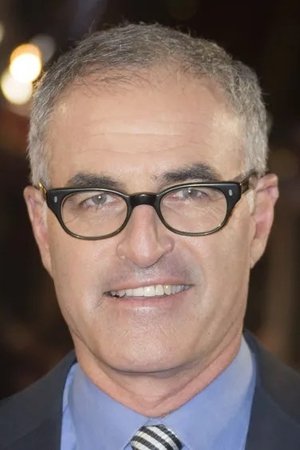
David Frankel
David Frankel (born April 2, 1959) is an American filmmaker. Description above from the Wikipedia article David Frankel, licensed under CC-BY-SA, full list of contributors on Wikipedia.
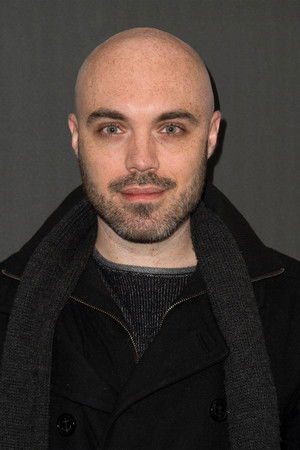
David Lowery
David Lowery (born December 26, 1980) is an American filmmaker. Description above from the Wikipedia article David Lowery, licensed under CC-BY-SA, full list of contributors on Wikipedia.

Quentin Dupieux
Quentin Dupieux (born April 14, 1974) is a French filmmaker, electronic musician, and DJ. Dupieux is credited with his legal name for his films, while the name "Mr. Oizo" is used for his musical works. Dupieux is known for his surrealistic, abdurdist comedy films, including Rubber, Wrong, Wrong Cops, and Reality.
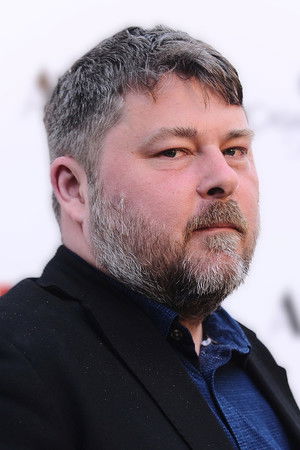
Ben Wheatley
Ben Wheatley (born 1972) is an English filmmaker, film editor, and animator. Beginning his career in advertising, Wheatley first gained recognition and acclaim for his commercials and short films, before transitioning into feature films and television programmes. He is best known for his work in the thriller and horror genres, with his films frequently incorporating heavy elements of black comedy and satire. Wheatley has received numerous accolades for his work, including an Evening Standard British Film Award, five British Independent Film Award nominations, and numerous awards and honours from film festivals including South by Southwest, Karlovy Vary, Mar del Plata, Raindance, Toronto and Cannes.
Pulkit

Andrew Bernstein
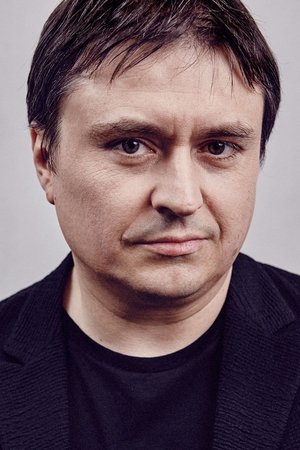
Cristian Mungiu
Cristian Mungiu (Romanian: [kristiˈan munˈd͡ʒi.u]; born 27 April 1968; Iași) is a Romanian filmmaker, screenwriter and producer. He won the Palme d'Or at the 2007 Cannes Film Festival for his film "4 Months, 3 Weeks and 2 Days", which he wrote and directed. He has also won the awards for Best Screenplay and Best Director, at the 2012 and 2016 Cannes Film Festivals, for his films "Beyond the Hills" and "Graduation". After studying English literature at the University of Iaşi, he worked for a few years as a teacher and as a journalist. After that, he enrolled at the University of Film in Bucharest to study film directing. After graduating in 1998, Mungiu made several short films. In 2002, he debuted with his first feature film, Occident. Occident enjoyed critical success, winning prizes in several film festivals and being featured in Director’s Fortnight at the 2002 Cannes Film Festival. In 2007 Mungiu wrote and directed his second feature, 4 Months, 3 Weeks and 2 Days. The film was received enthusiastically, attracting critical praise and being selected in the official competition at the 2007 Cannes Film Festival, where it eventually won the coveted Palme d'Or for feature film, marking the first time that prize was awarded to a Romanian filmmaker. Mungiu has said that early Miloš Forman and Robert Altman are important filmmakers who influenced him. He also respects the realism of Bicycle Thieves, among other famous realistic films. Mungiu is the brother of political analyst Alina Mungiu-Pippidi.

Harry Lighton
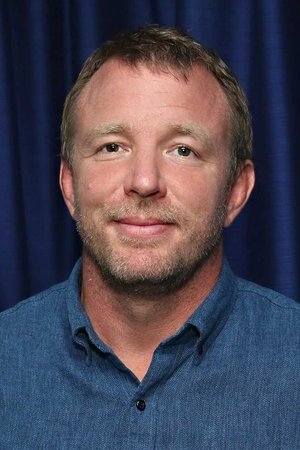
Guy Ritchie
Guy Stuart Ritchie (born 10 September 1968) is an English film director, producer, writer, and businessman. Ritchie left school at age 15 and worked entry-level jobs in the film industry before going on to direct television commercials. In 1995, he directed a short film, The Hard Case, followed by the crime comedy, Lock, Stock and Two Smoking Barrels (1998), his feature-length directorial debut. He soon gained recognition with his second film, Snatch (2000), which also found critical and commercial success. Following Snatch, Ritchie directed Swept Away (2002), a critically panned box-office bomb starring Madonna, to whom Ritchie was married between 2000 and 2008. He went on to direct Revolver (2005) and RocknRolla (2008), which were less successful and received mixed audience reviews. In 2009 and 2011, he directed two box-office hits, Sherlock Holmes and its sequel, Sherlock Holmes: A Game of Shadows, respectively. The former was nominated for Academy Awards in Best Original Score and Best Art Direction. His other directed motion pictures are The Man From U.N.C.L.E. (2015), which is a remake of a 1960 spy series, King Arthur: Legend of the Sword (2017) and the live-action adaptation of Disney's Aladdin (2019). Aladdin earned more than $1 billion worldwide, becoming one of the highest-grossing films in 2019, and the 34th highest-grossing film of all-time during its theatrical run. In 2020, he returned to crime comedy with The Gentlemen (2019), which was mostly well received and a commercial success. In 2021, he directed Jason Statham in the action film, Wrath of Man.
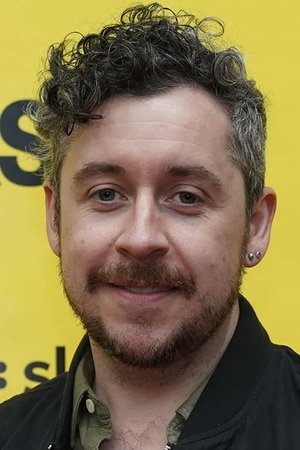
Lee Cronin
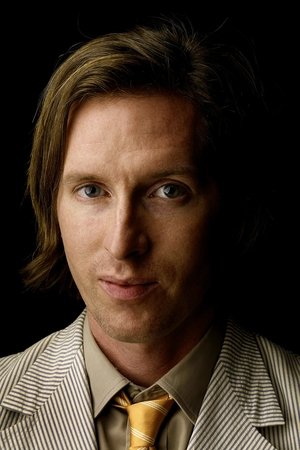
Wes Anderson
Wesley Wales Anderson (born May 1, 1969) is an American filmmaker. His films are known for their symmetry, eccentricity and distinctive visual and narrative styles, and he is cited by some critics as a modern-day example of the auteur. Three of his films, The Royal Tenenbaums (2001), Moonrise Kingdom (2012), and The Grand Budapest Hotel (2014) appeared in BBC Culture's 2016 poll of the greatest films since 2000. Anderson was nominated for the Academy Award for Best Original Screenplay for The Royal Tenenbaums (2001), Moonrise Kingdom (2012) and The Grand Budapest Hotel (2014), as well as the Academy Award for Best Animated Feature for the stop-motion films Fantastic Mr. Fox (2009) and Isle of Dogs (2018). With The Grand Budapest Hotel, he received his first Academy Award nominations for Best Director and Best Picture, and won the Golden Globe Award for Best Motion Picture – Musical or Comedy and the BAFTA Award for Best Original Screenplay. He currently runs the production company American Empirical Pictures, which he founded in 1998. He won the Silver Bear for Best Director for Isle of Dogs in 2018.
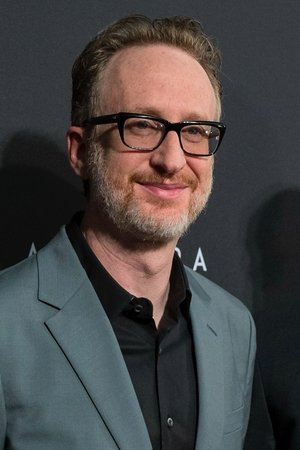
James Gray
James Gray (born April 14, 1969; New York City) is an American film director and screenwriter. Gray was born in New York City and grew up in the neighborhood of Flushing. He is of Ukrainian-Jewish descent, with grandparents from Ostropol, Western Ukraine. The original family name was "Grayevsky". His father was once an electronics contractor. Gray attended the University of Southern California School of Cinematic Arts, where his student film, Cowboys and Angels, helped him get an agent and the attention of producer Paul Webster, who encouraged him to write a script which he could produce. As a child growing up in Queens, New York, Gray aspired to be a painter. However, when introduced in his early teenage years to the works of various filmmakers, including Francis Ford Coppola, Gray's interests expanded to the art of filmmaking. The Yards returned Gray to Queens where the story takes place. In 1994, at age 25, Gray made his first feature film "Little Odessa" (1994), a film starring Tim Roth about a hit man confronted by his younger brother upon returning to his hometown, "Little Odessa," a section of Brighton Beach, Brooklyn. The film won the Silver Lion at the 51st Venice International Film Festival. Miramax Films released James Gray's second feature, "The Yards" (2000) starring Mark Wahlberg, Joaquin Phoenix, Faye Dunaway, Ellen Burstyn, Charlize Theron and James Caan in fall of 2000. The film was selected for official competition at the 2000 Cannes International Film Festival. His next film "The Immigrant" (2013) was nominated for the Palme d'Or at the 2013 Cannes Film Festival. In October 2016, Gray's film "The Lost City of Z" (2016) premiered at the New York Film Festival. The film, based on the book by David Grann, depicts the life of explorer Percy Fawcett, played by Charlie Hunnam. Gray first confirmed his plans to write and direct sci-fi space epic "Ad Astra" (2019) on May 12 during the 2016 Cannes Film Festival. On June 17, 2020, it was officially confirmed that his next film, titled "Armageddon Time" (2022), would be a coming-of-age drama story of loyalty and friendship against the historical backdrop of Ronald Reagan's presidential election loosely based on Gray's childhood memories, with Anne Hathaway, Anthony Hopkins and Jeremy Strong cast in the film.
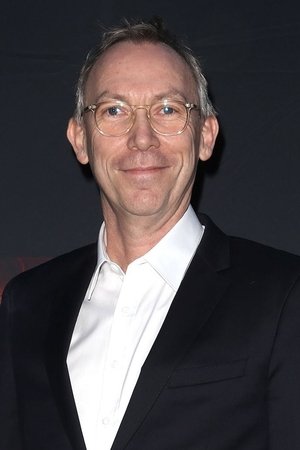
Simon McQuoid
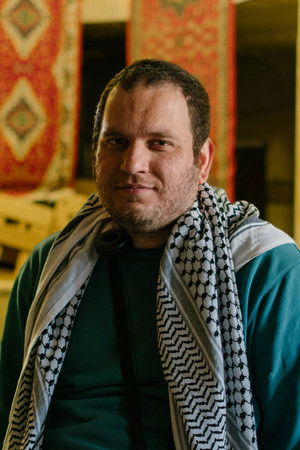
Hasan Hadi
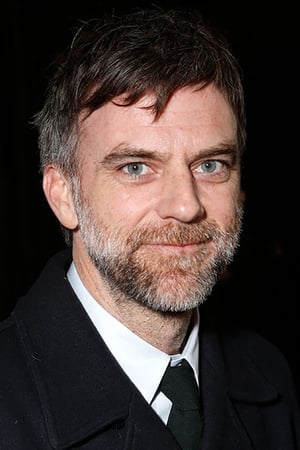
Paul Thomas Anderson
Paul Thomas Anderson (born June 26, 1970) is an American film director, producer, and screenwriter. Born in Los Angeles, Anderson developed an interest in filmmaking from a young age. An alumnus of the Sundance Institute, Anderson is famous for making often epic psychological drama films which often take place in San Fernando Valley and deal with characters seeking after redemption, forgiveness or loss; they also use wide framing as well as realistic or gritty cinematography. Anderson made his feature film debut with Hard Eight (1996). He found critical and commercial success with Boogie Nights (1997), set in the Golden Age of Porn, and received further accolades with Magnolia (1999), an ensemble piece set in the San Fernando Valley, and Punch-Drunk Love (2002), a romantic comedy-drama film. Anderson's 2007 film There Will Be Blood, about an oil prospector during the Southern California oil boom, achieved major critical and commercial success and was often cited as one of the greatest films of the 2000s. This was followed by The Master (2012) and Inherent Vice (2014). Anderson's eighth film, Phantom Thread, was released in 2017. He has directed music videos for artists including Fiona Apple, Radiohead, Haim, Joanna Newsom, Aimee Mann, Jon Brion and Michael Penn, and has also directed a documentary, Junun (2015), about the making of the album in India. More recently, he directed a short film accompanying Thom Yorke's Anima (2019), released on Netflix and in select IMAX theatres. Anderson's films are often characterized by their depiction of flawed and desperate characters, explorations of themes such as dysfunctional families, alienation and loneliness, a bold visual style that uses moving camera and long takes, and memorable use of music. He is noted for his frequent collaborations with actors Philip Baker Hall, Philip Seymour Hoffman, Julianne Moore, Melora Walters, John C. Reilly, Joaquin Phoenix and Daniel Day-Lewis, cinematographer Robert Elswit, costume designer Mark Bridges, and composers Jon Brion and Jonny Greenwood. His films have consistently garnered critical acclaim. Anderson has been nominated for eight Academy Awards, one Golden Globe Award and five BAFTA Awards, and has won a Best Director Award at Cannes, both Golden and a Silver Bear at Berlin and a Silver Lion at Venice. Description above from the Wikipedia article Paul Thomas Anderson, licensed under CC-BY-SA, full list of contributors on Wikipedia.
Page 1 sur 162